
Background info
What is VARID?
We will never know exactly what the world looks like to somebody else. We believe, however, that by combining eye-test data with immersive technologies, AR and VR can simulate a specific individual's vision well enough to allow normally sighted people to design better, more inclusive products and environments.
Ten visually impaired people, even ten people with the exact same eye condition, will experience ten different visual symptoms. Rather than trying to design static simulations of each eye disease, the VARID Consortium has focused on a modular, extensible platform that anybody in the world can refine and develop. The code is free and open source, and contributors and users are welcome.
What devices does it support?
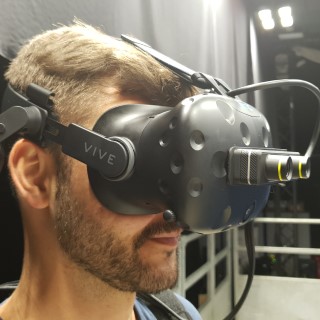
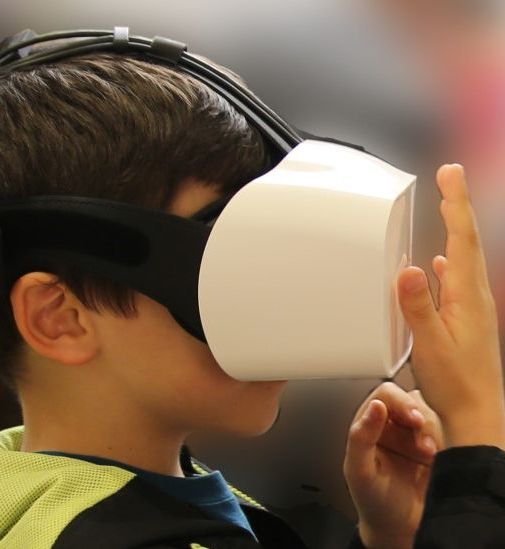
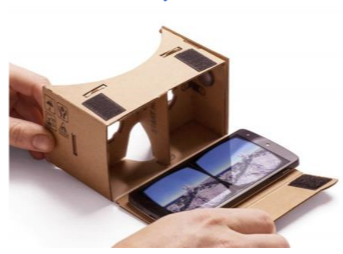
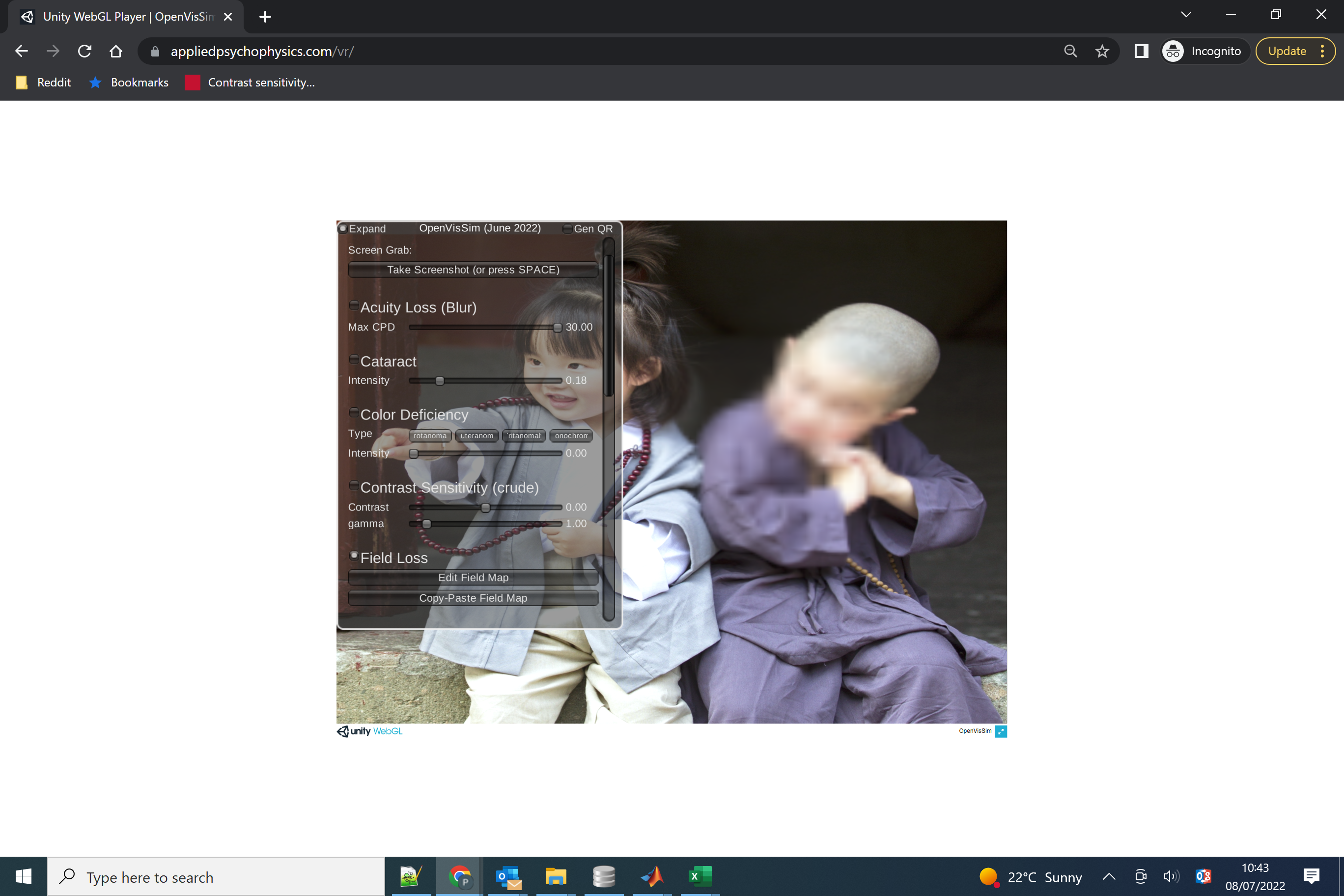
VARID is an Unreal Engine plug-in, and formerly a Unity plug-in too, so it supports any device supported by Unreal. In the past it has been used on iPhone with Google Cardboard, Vive Pro Eye, Fove, HP Omnicept, PC, and web browser. For realistic simulations, eye tracking is vital, although the simulations can run without it by assuming the user is fixating the centre of the screen.
How does it work?
VARID is a toolbox designed to be a simple drag-and-drop plug-in for Unreal Engine. The prototype was a Unity plug-in, which is still available online, but it is no longer the focus of development.
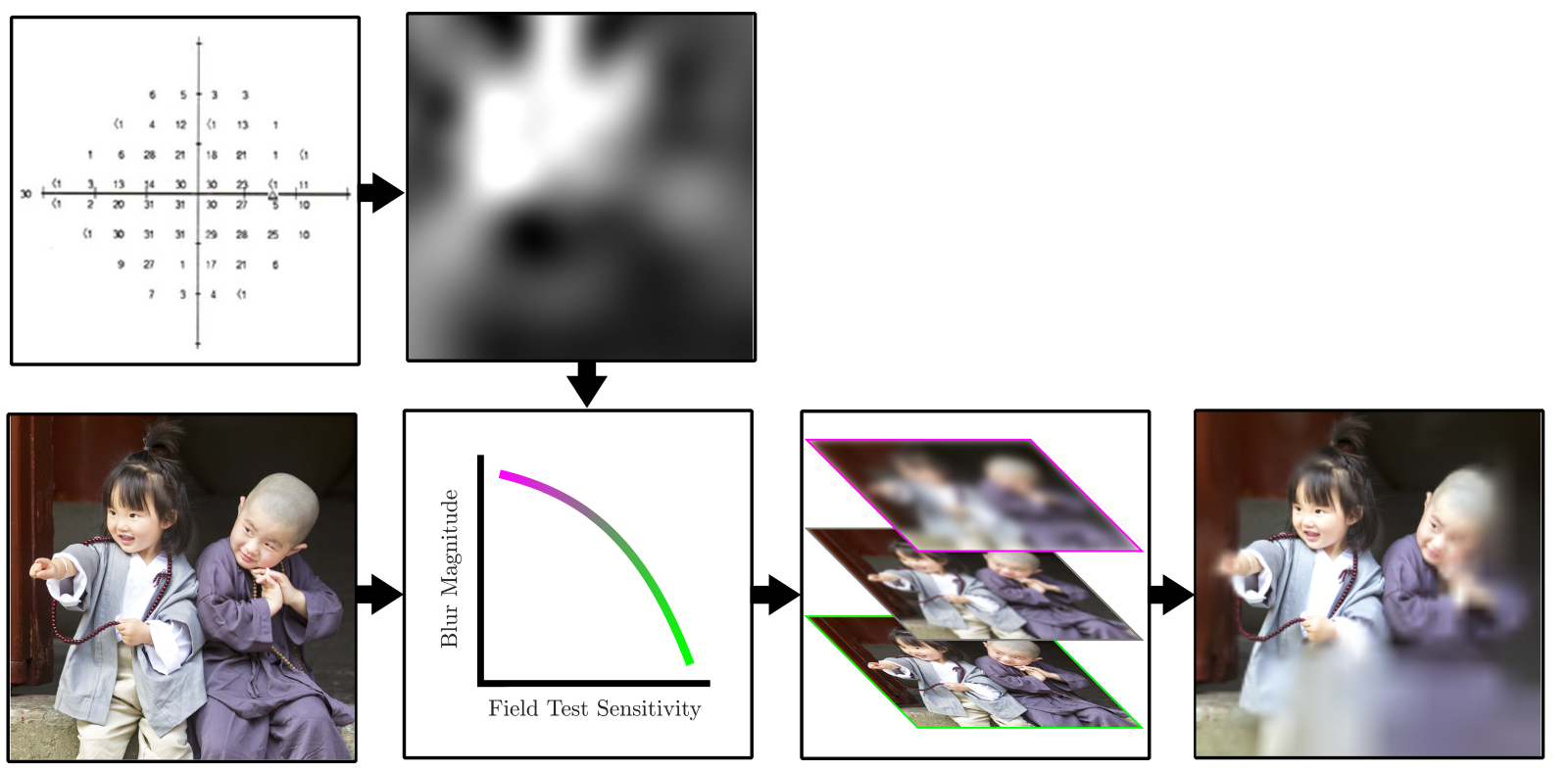
Most visual impairments affect certain parts of the eye, not the whole eye, so simulations must be gaze-contingent. For example, objects off to the side may appear blurry, or only objects in central vision may appear distorted. To achieve near-real-time performance, image processing is performed on the graphics card using shaders.
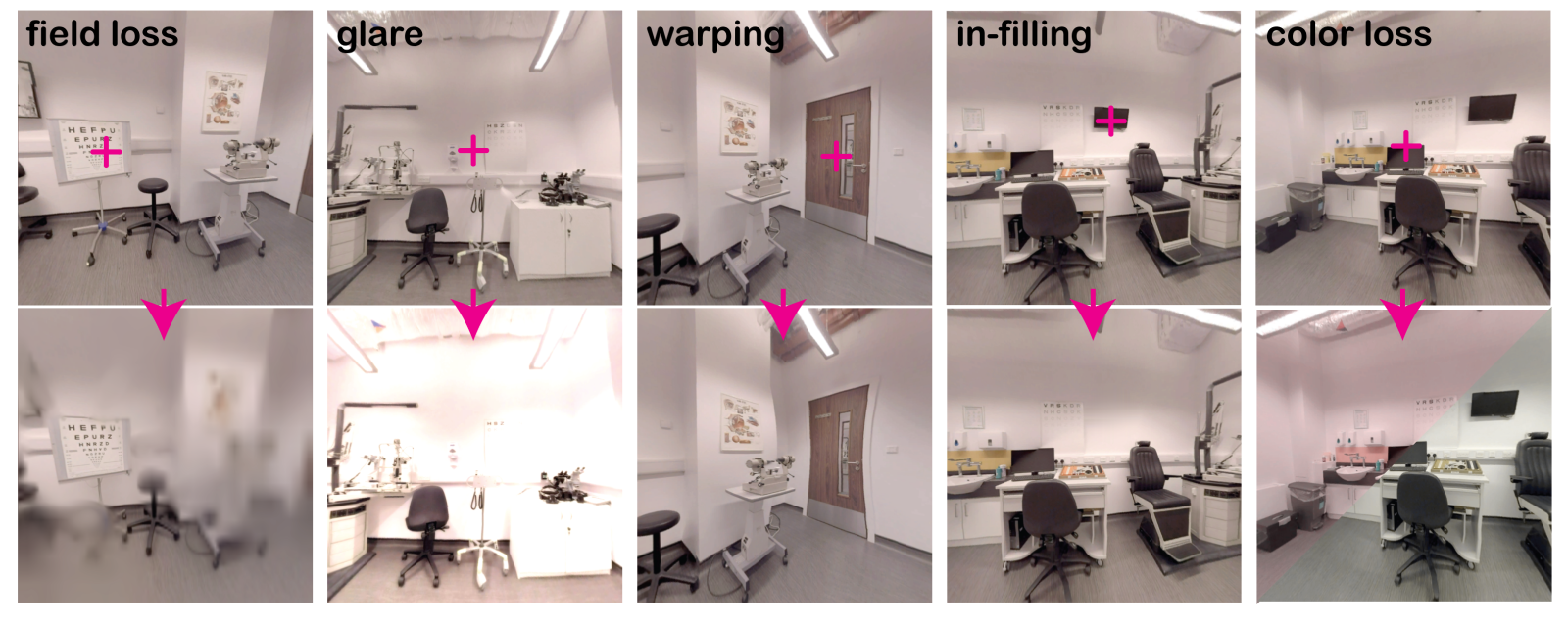
The idea is that each individual shader should be linked to specific aspects and measurements of vision, such as visual acuity, visual field loss, contrast sensitivity, and colour vision. Multiple shaders can then be stacked together to recreate the many and varied symptoms experienced by a given individual.

Who made VARID?
VARID was developed by the VARID Consortium. The Unreal Engine plug-in code was developed by Joe Bacon of Make Transition Ltd.
Who is the VARID consortium?
VARID has been developed by a non-profit consortium including vision scientists, engineers, and architects. New members are welcome, though you do not need to be a member of the consortium to use or develop the code. The original development of VARID was funded by a charitable donation from Epic Games. Key background materials were developed thanks to charitable donations from Moorfields Eye Charity and the UK National Institute for Health and Care Research.

How do I use VARID?
The complete source code is available via GitHub, where you can also find the license, technical documents, and instructions for use.
VARID is not a standalone piece of software. It is a plug-in for new or existing projects built with Unreal Engine.
How do I contribute?
You can contribute to the GitHub repository, make suggestions, join the consortium, or share projects built with VARID. The issue list is a useful place to start.
See the gallery for examples of VARID in action.